Patient 4
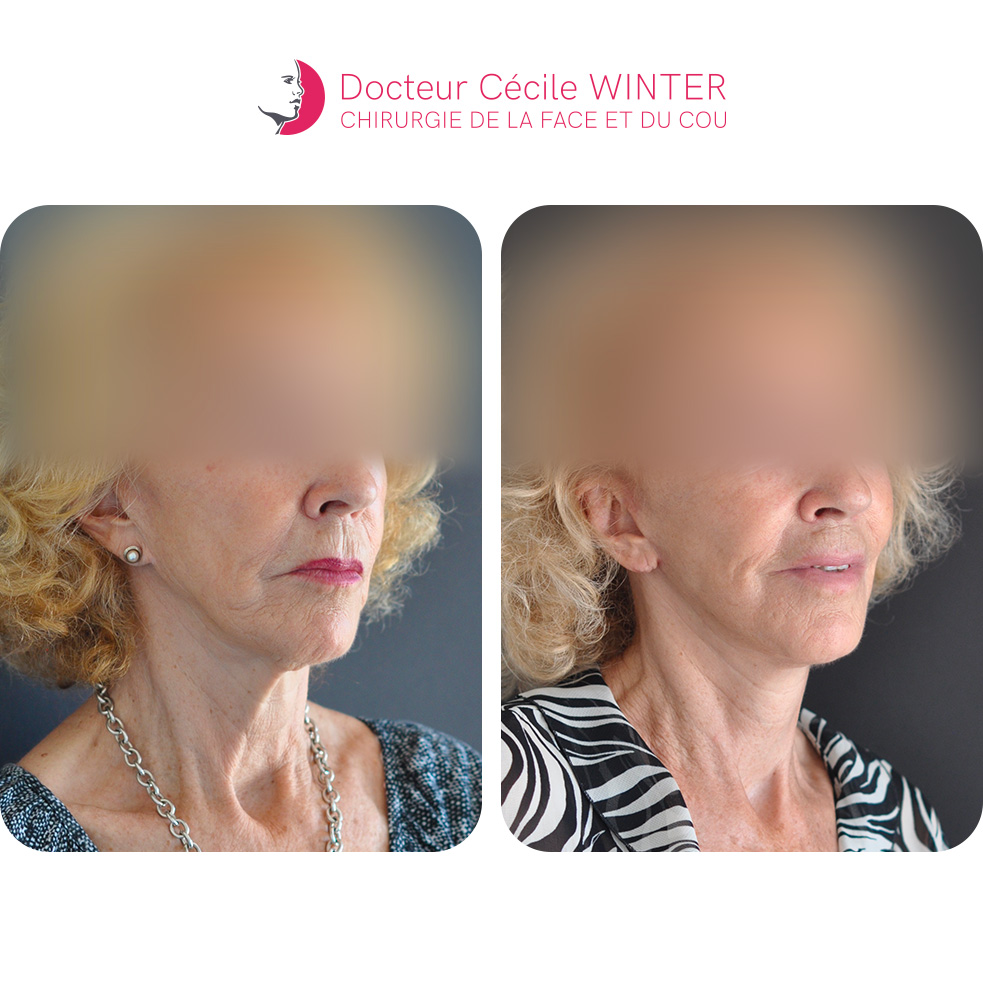
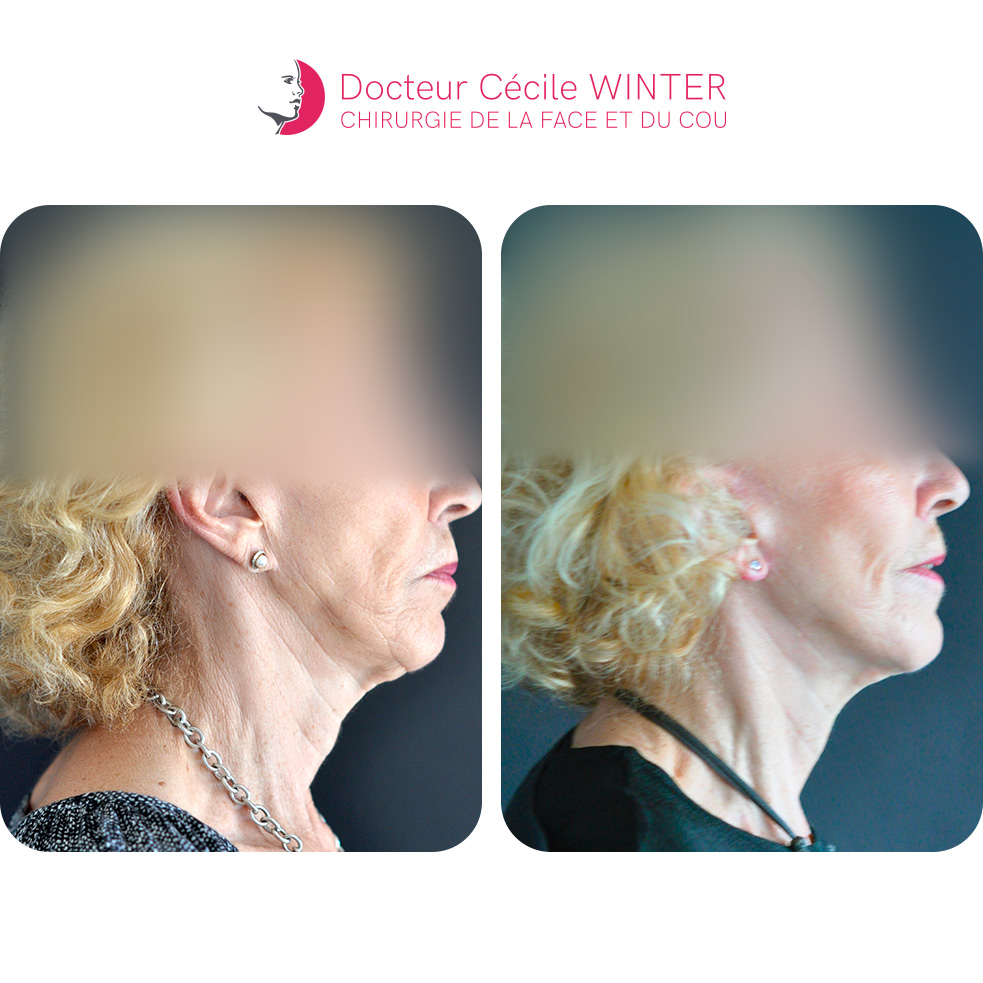


Otoplasty
Young girl experiencing psychosocial discomfort due to prominent ears. Observations include a defect in the ear fold, hypertrophy of the concha, and protrusion of the lobules. The surgery aimed to reduce the angle between the ear and the skull, improve the ear fold, and reposition the lobule, all without any transfixing incisions in the cartilage. The goal was for the surgery to be completely unnoticeable. The result is shown at one year.


Otoplasty: Correction of Protruding Ears
Otoplasty is a surgical procedure designed to correct protruding ears, a common issue among young patients that can cause significant psychosocial discomfort.
In this young girl, we observe an asymmetrical defect in the ear fold, hypertrophy of the concha, and protrusion of the lobules. The surgery involved:
- Reducing the angle between the ear and the skull.
- Improving the ear fold.
- Repositioning the lobule.All of this was done without any transfixing incisions in the cartilage to ensure a natural and lasting result.
Otoplasty can be performed on an outpatient basis or may require an overnight stay, depending on the patient's age and the technique used. It can be done from the age of eight, depending on the child’s level of distress and maturity.The technique used does not involve cartilage section or resection, nor the placement of permanent stitches or implants.
The result is shown at one year.


Otoplasty
Ear surgery, or otoplasty, is a common procedure as protruding ears can cause significant psychosocial discomfort.
In this young girl, an asymmetrical defect in the ear fold was observed. The surgery aimed to improve the ear fold without making transfixing incisions in the cartilage.
The technique used involves neither cartilage section nor resection, and no permanent stitches or implants are placed, ensuring a natural and lasting result.
The result is shown at one year.
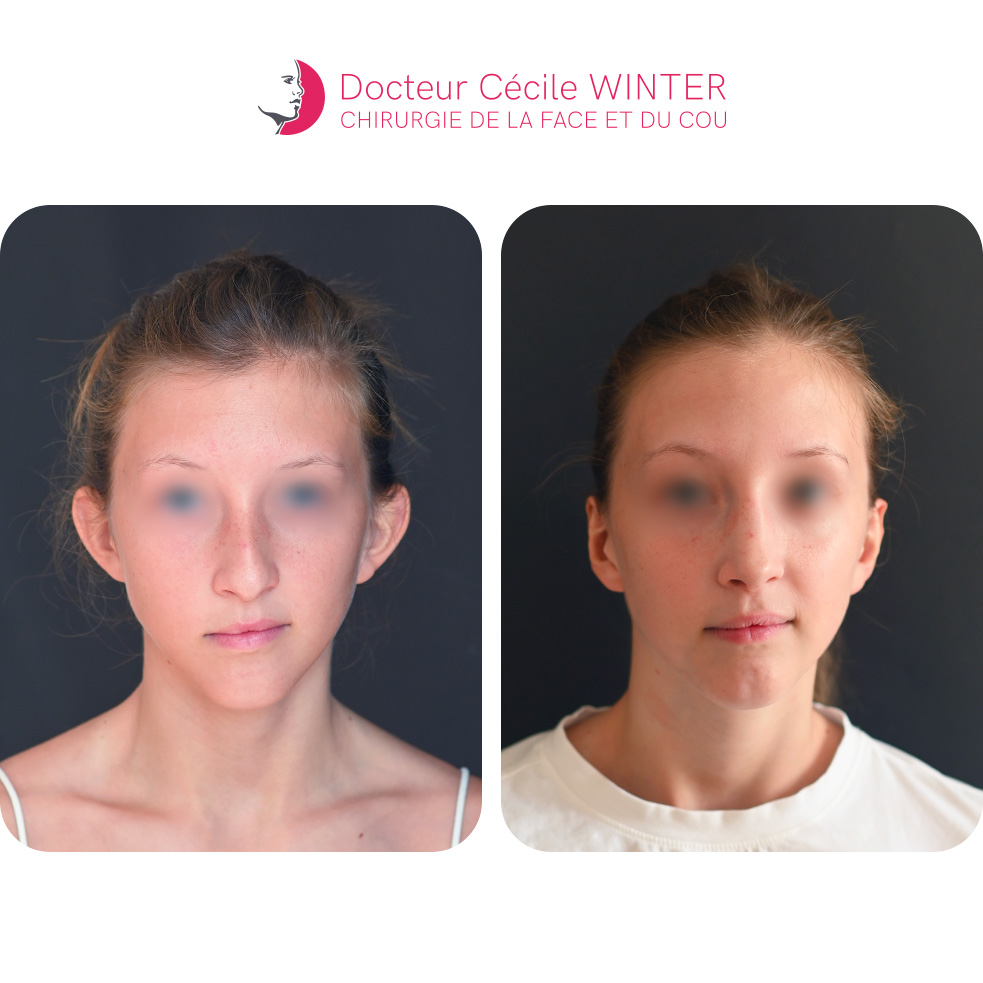
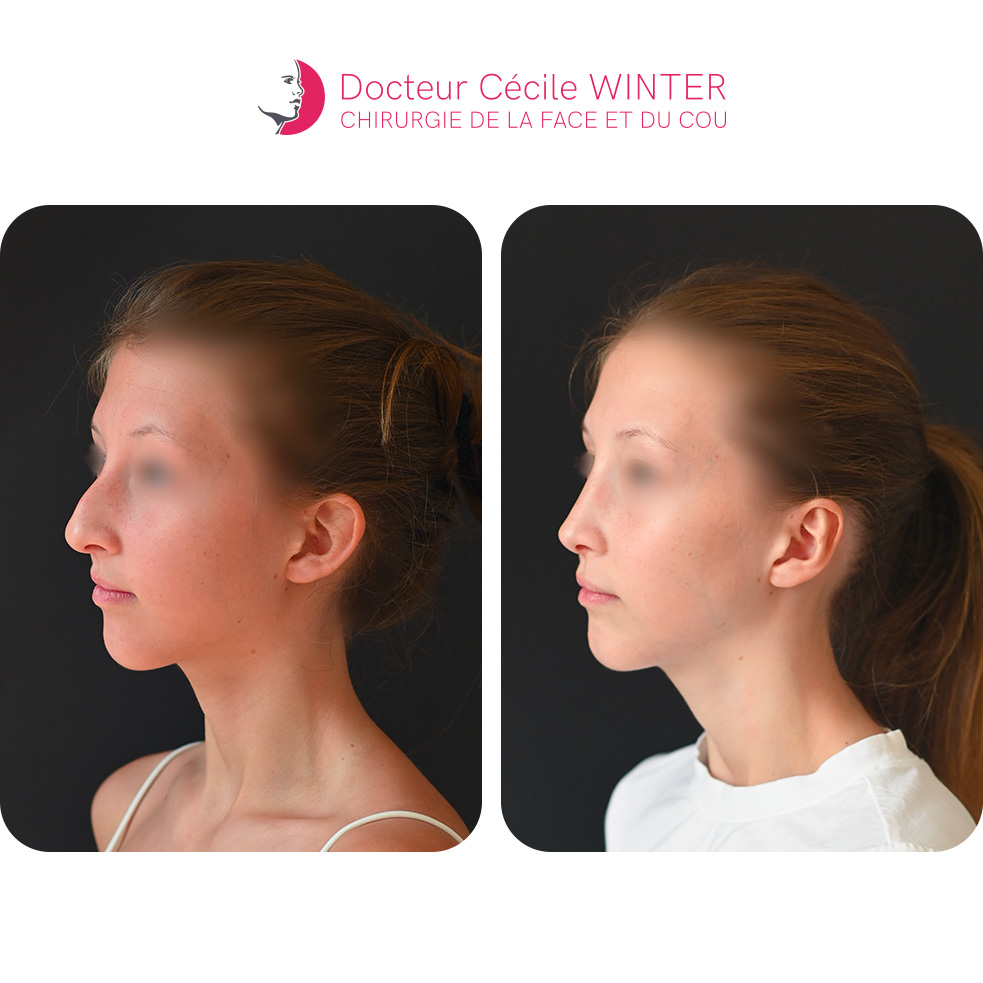
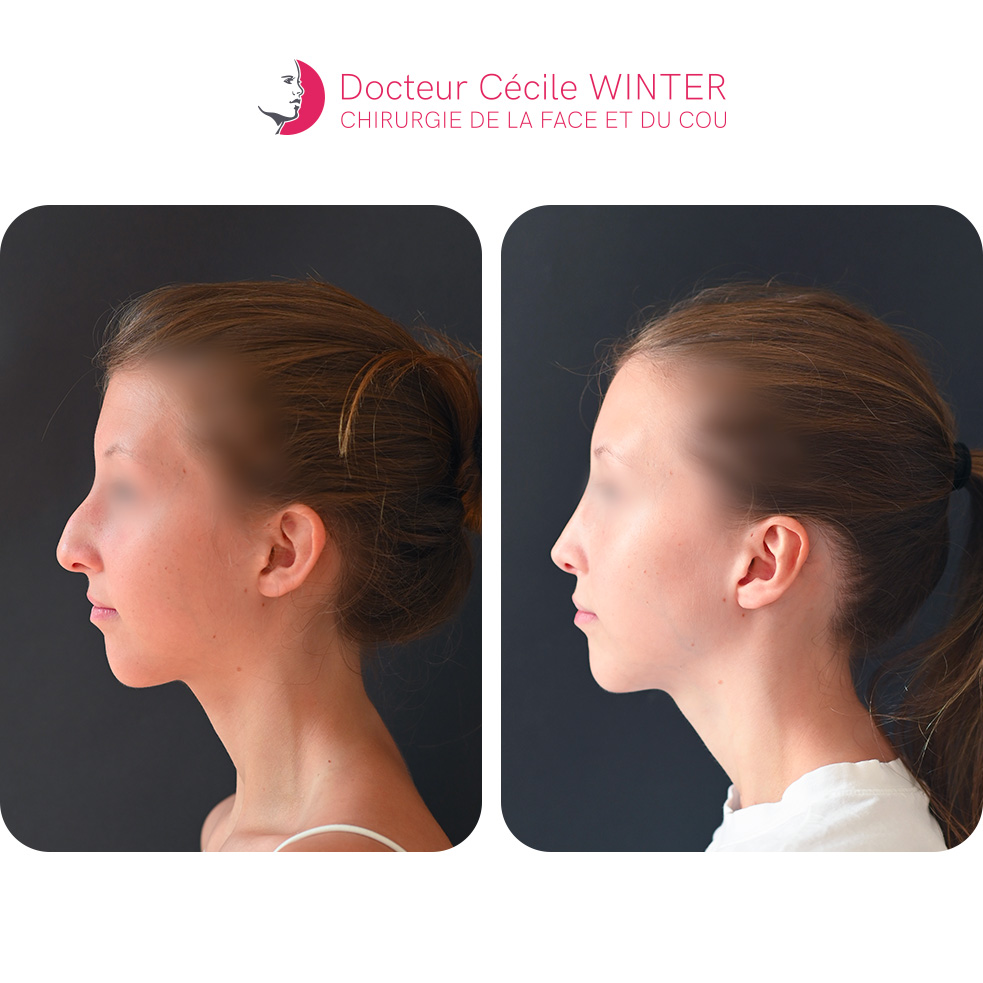
Conservative Anatomical Rhinoplasty and Otoplasty
Our young patient suffered from a rhinoseptal deviation, an osteocartilaginous bump with an overly high and long septum causing significant deviation, and a deviated, undefined tip. She also had asymmetric protruding ears with a folding defect of the auricle, conchal hypertrophy, and lobule protrusion.
The conservative anatomical rhinoplasty (scarless, rhinoseptal realignment, and tip cartilage work) and otoplasty were performed during the same operation under general anesthesia. The postoperative course was simple, with one week of downtime due to the splint. The result, shown here at one year, is very discreet.
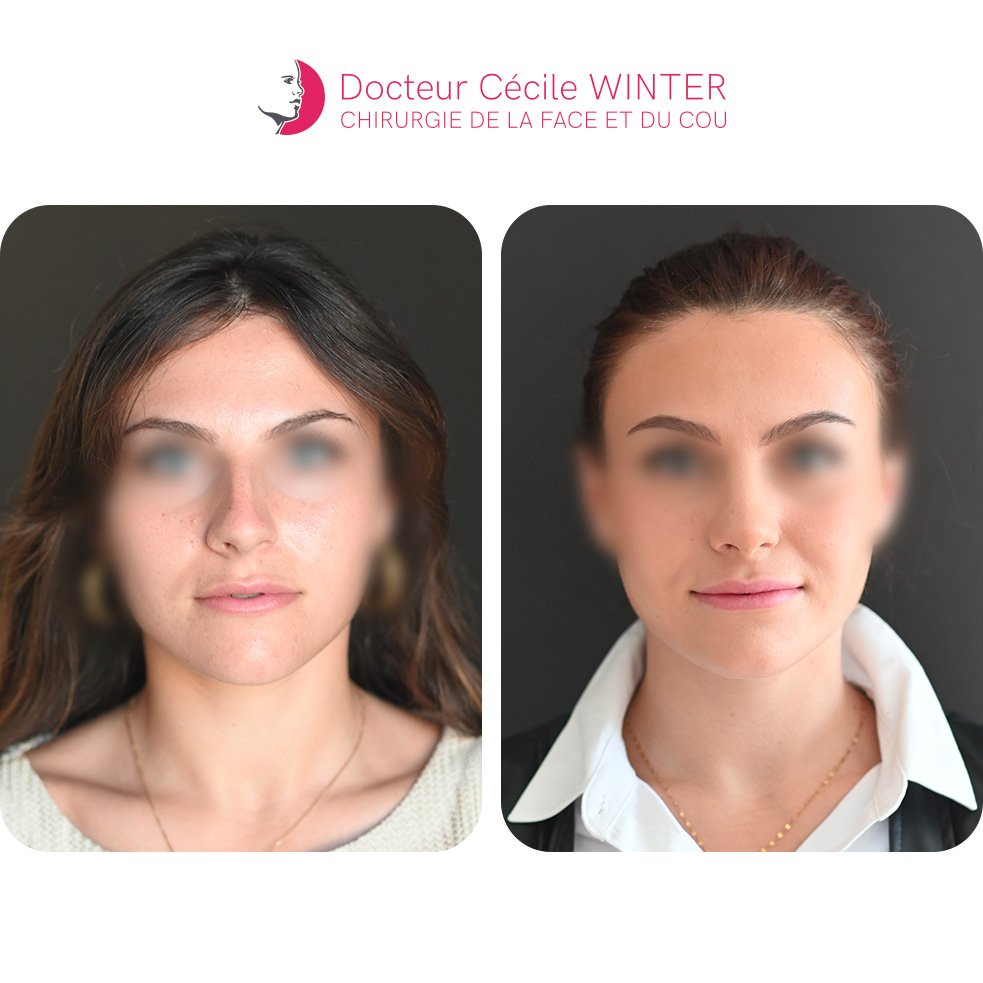
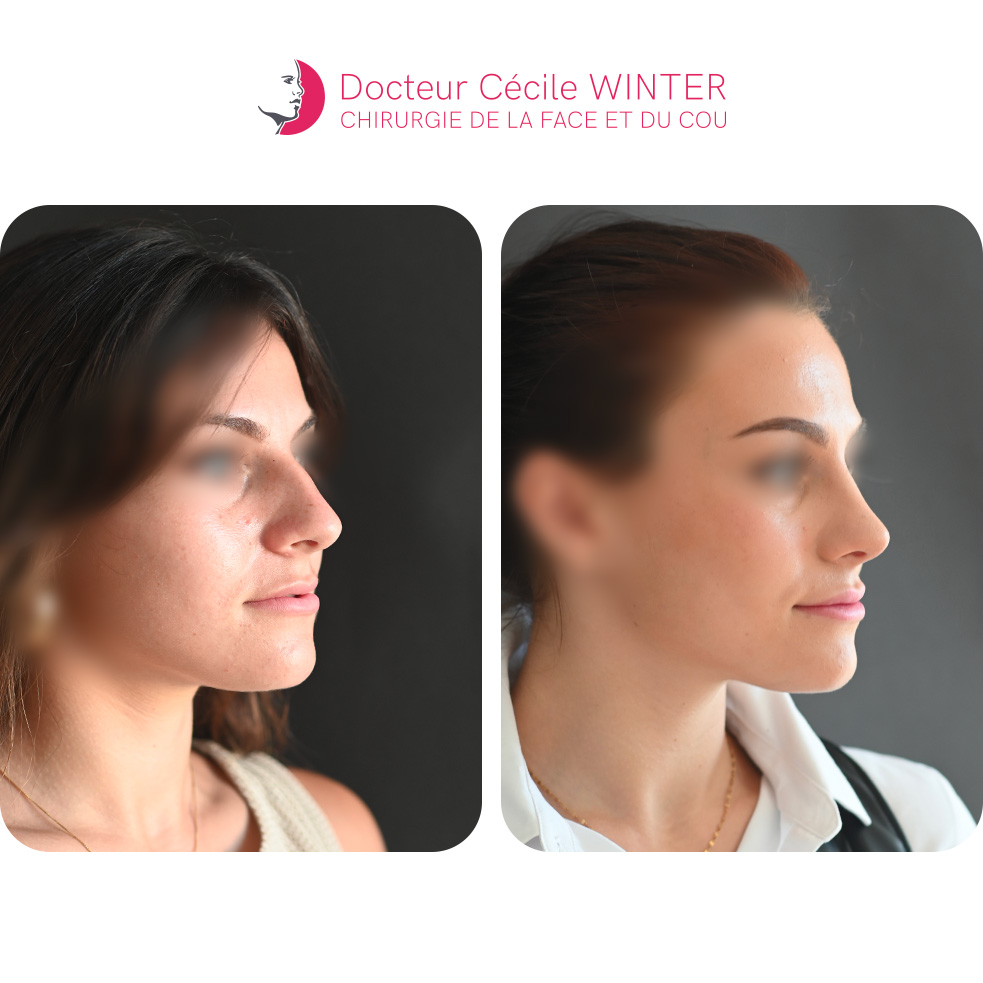
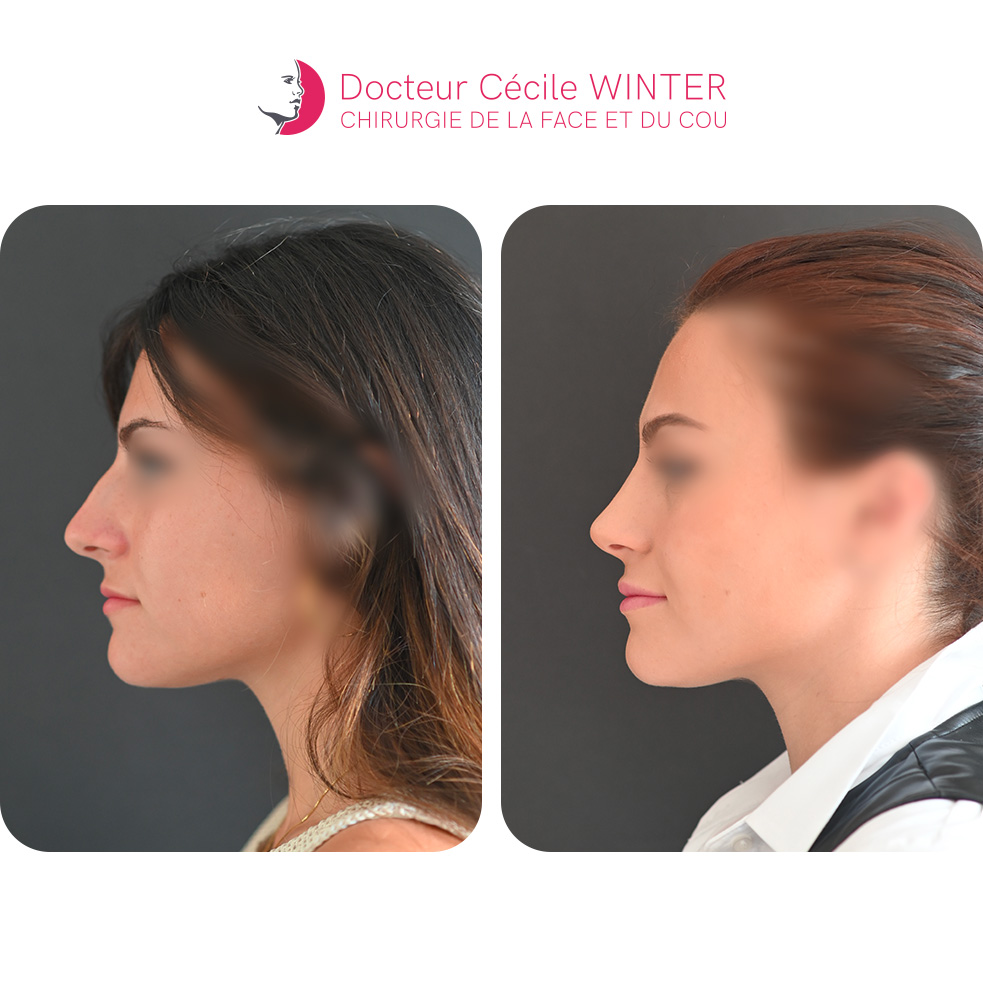
Conservative Anatomical Rhinoplasty
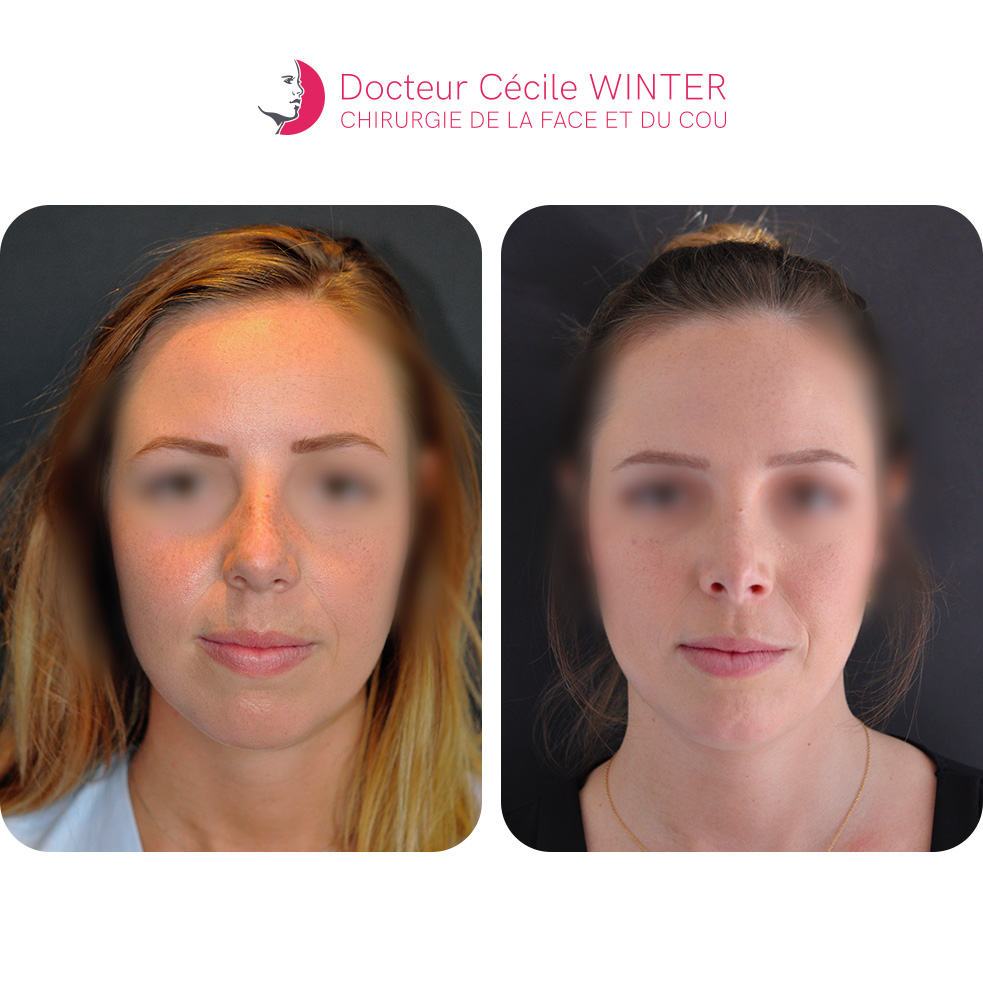
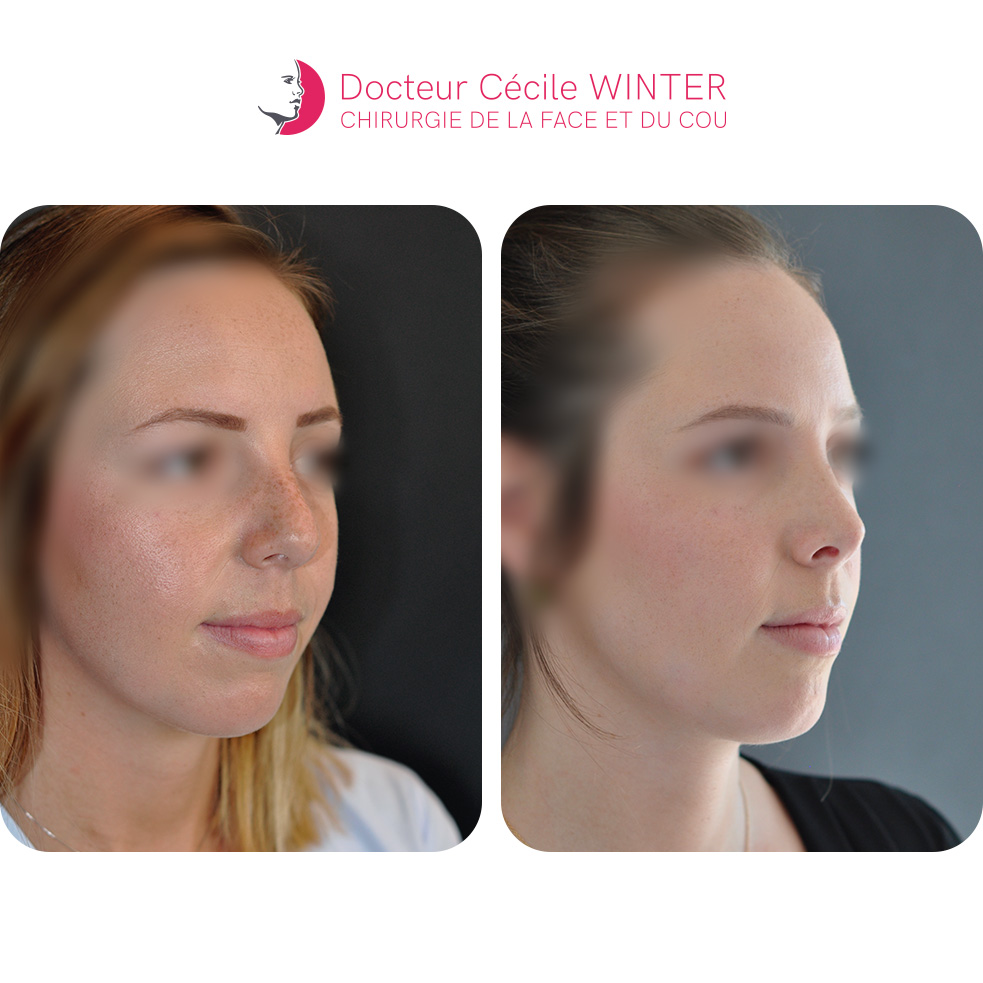
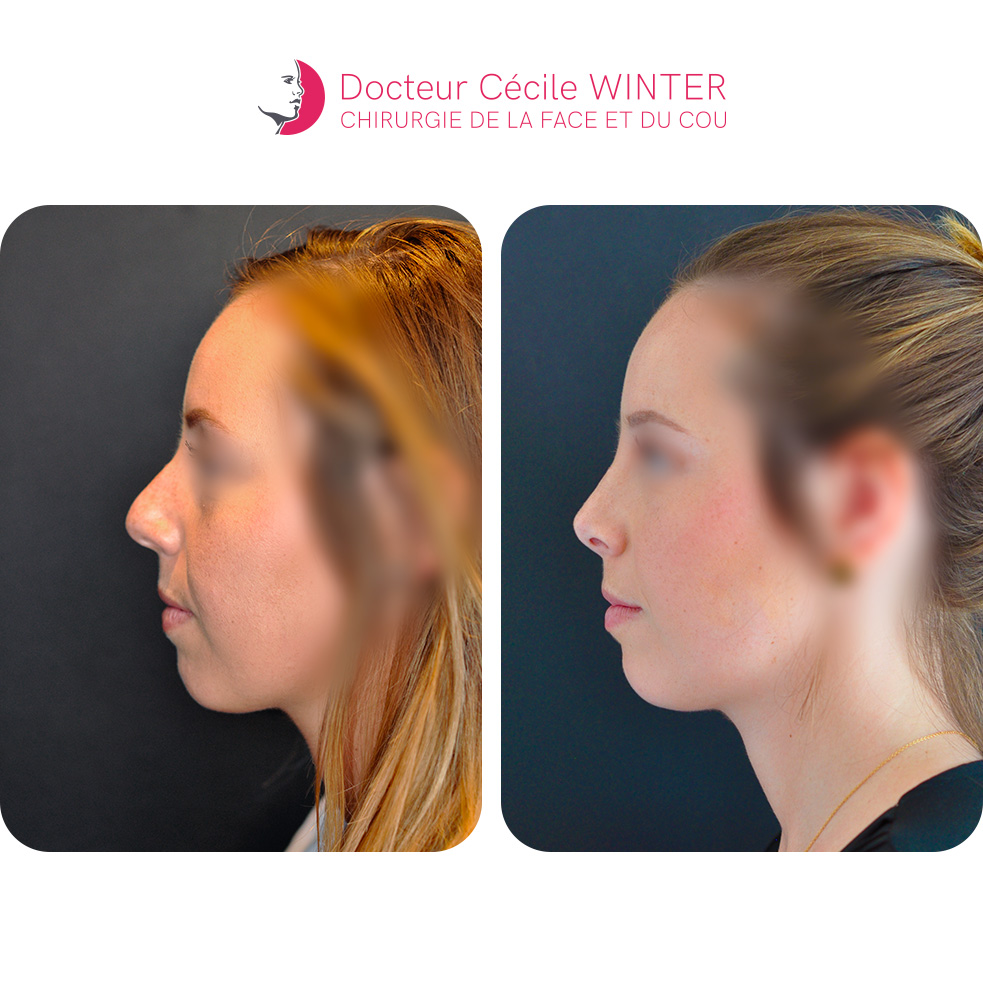
Young patient with a prominent nose featuring a hump, a wide tip, and a pinched middle third, associated with valve syndrome. The root height, the angle between the nose and the mouth, and the infratip are aesthetically pleasing.
The conservative anatomical rhinoplasty aimed to reduce the septal height and the hump, recreate a functional internal valve to improve breathing, and refine the tip to achieve a more feminine nose with a well-defined supratip.
The result is shown at over one year.
Conservative Anatomical Rhinoplasty
Young patient with a rounded tip turned downward, excess septal height (Corbin and internal valve syndrome), and a short nose with insufficient support beneath the tip. The root and base width are good.
A conservative anatomical rhinoplasty was performed to improve the patient's breathing and harmonize her nose with her face. The tip was supported, and the septal height was adjusted to match the actual height of the tip. The cartilages of the tip, initially rounded and vertical, were reshaped and repositioned horizontally to enhance both function and aesthetic appearance.
Result at one and a half years.